9/01/23
The Aesthetic of Aluminium
Aluminium has long been thought of as an aesthetic material which can go nicely in interiors and is used a lot in retail shop layouts for a variety of uses. Click the link to read more.

01772 324277
9/01/23
Aluminium has long been thought of as an aesthetic material which can go nicely in interiors and is used a lot in retail shop layouts for a variety of uses. Click the link to read more.
2/01/23
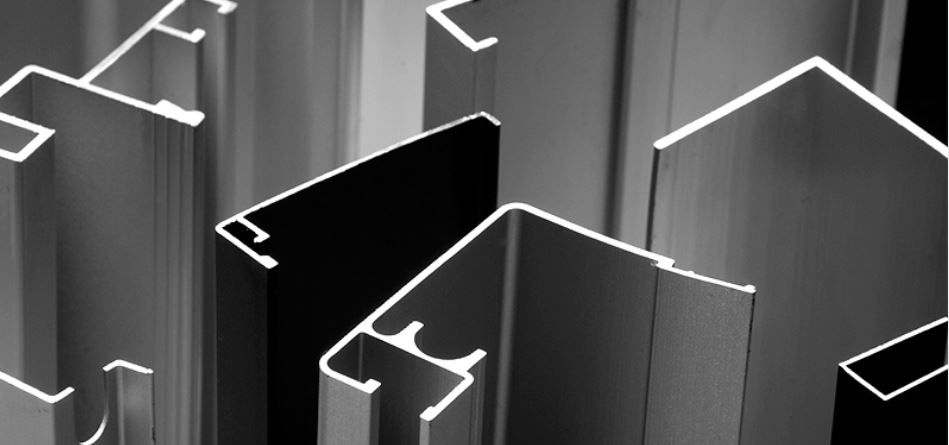
Aluminium is an important metal in the world. It is used to make a variety of objects, including cars, airplanes, and buildings. Fabricators work with aluminium to shape it into whatever form they need.
26/12/22
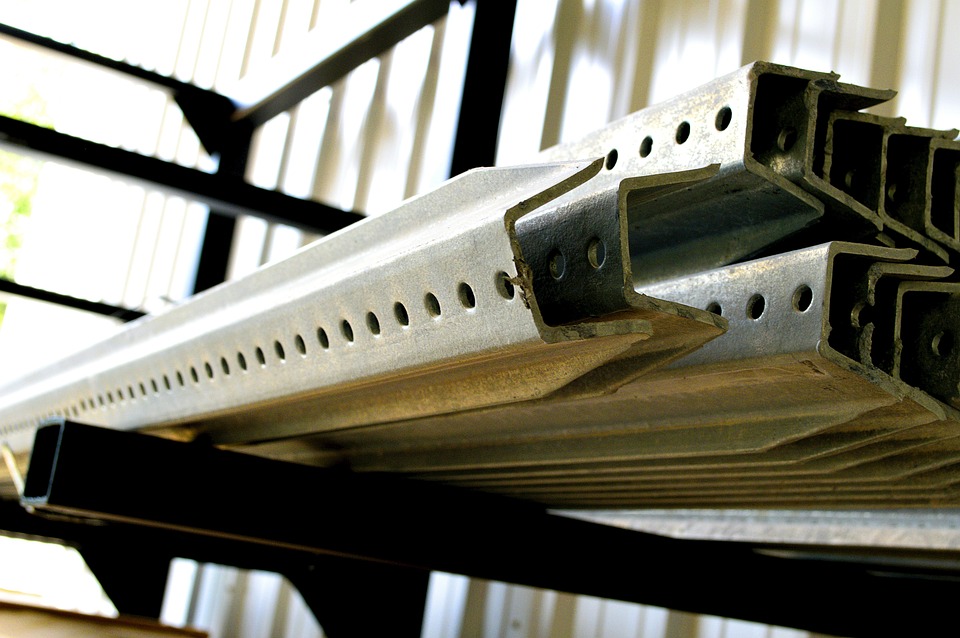
Aluminium is a flexible material and can be shaped into numerous things. The process of manufacturing aluminium fabrication for significant uses means that the skills of manufacturers and fabricators are important.
19/12/22
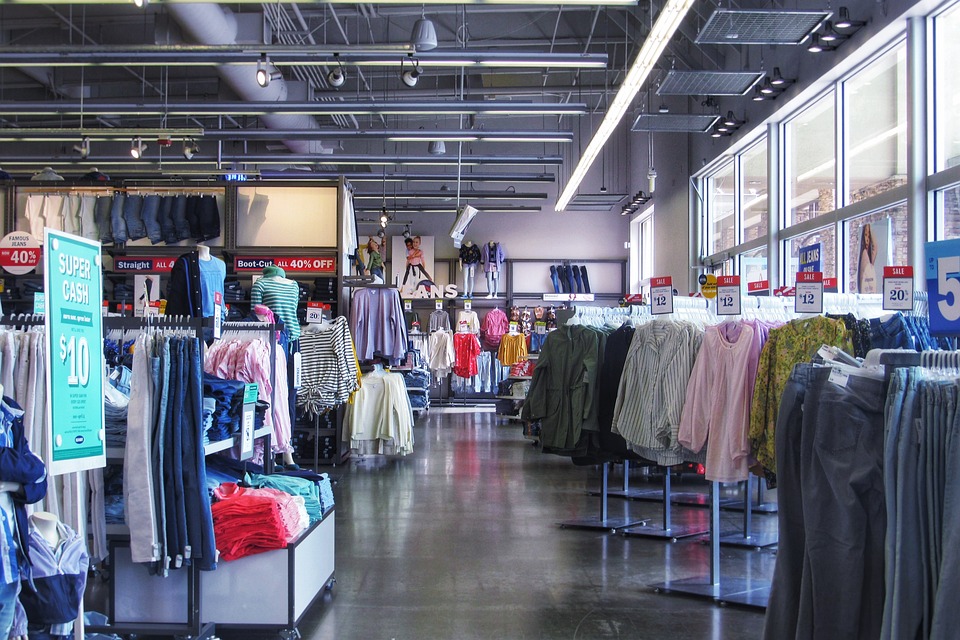
You may have never heard of aluminium being used in retail shops, but it is actually the number one material used for the interior. It's sleek look just matches the cool design of any shop interior. Click to read how it is used in shop designs.
12/12/22
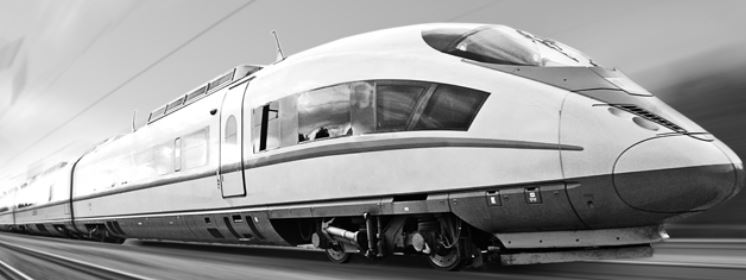
Yep, that's right. The metal used to make fast trains is made from aluminium. In this post, we write about the amazing uses of aluminium in the rail industry.
5/12/22
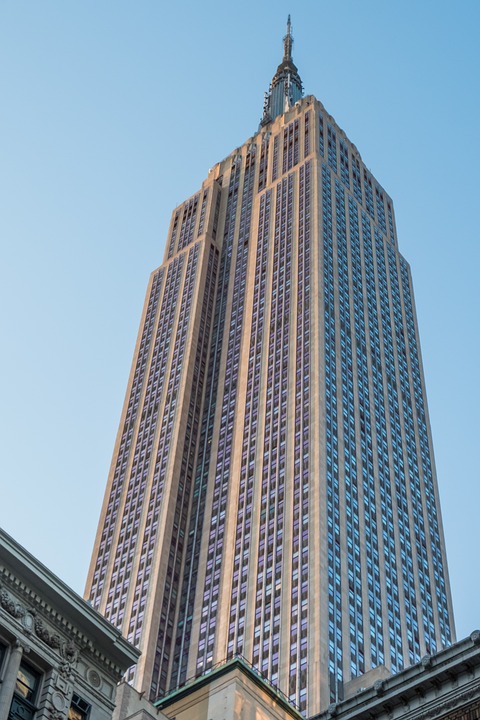
Loads of people marvel at the art of architecture, and wonder what materials keep it strong. The answer? Aluminium. It has built the strongest and most beautiful buildings. Click to read more.
28/11/12
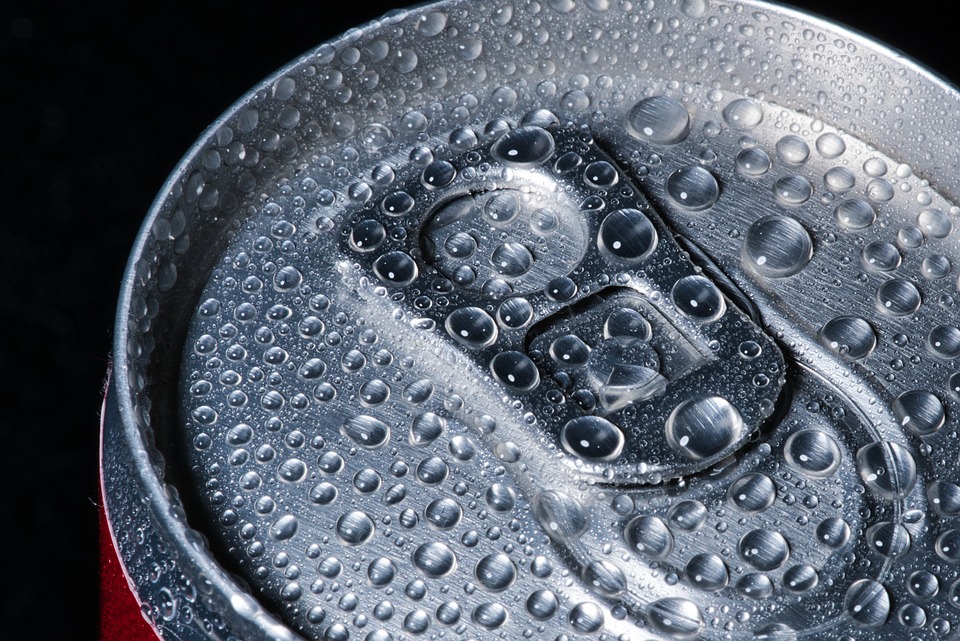
Last in our aluminium extrusion blog series, we discuss the benefits of aluminium extrusion and all the ways you can use them!
21/11/12
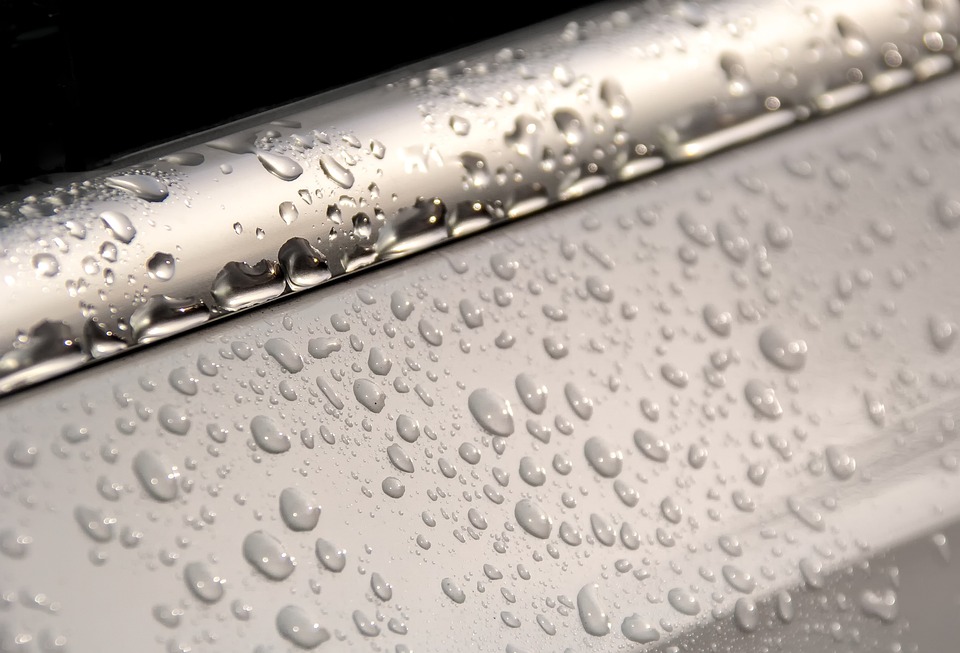
Aluminium extrusion has been going for years - but just how do they do it? We talk about the history of aluminium extrusion and how the process was brought about.
14/11/22
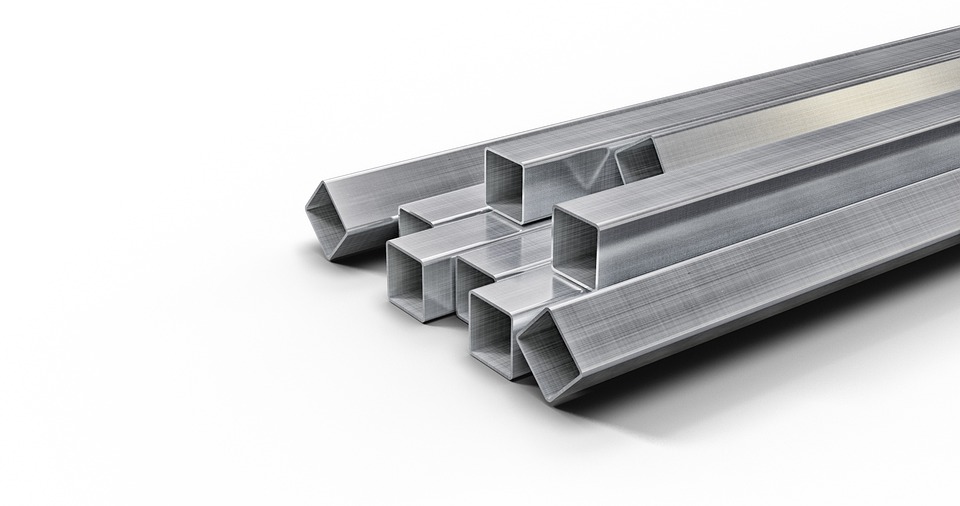
Some interesting facts about the process of aluminium extrusion. Interested? Read more by clicking the link.

Aluminium is a metal with a number of uses. It is the most widely used metal in the world, and it is also one of the most recyclable metals. Aluminium is light, strong and resistant to corrosion, making it perfect for use in everything from cars to buildings. It also means that it stays looking clean and brand new, so you won't be seeing rust on any aluminium material!
The aesthetic quality of aluminium has always been an important factor in its use. In fact, aluminium was first used as an architectural material back in 1887 because of its attractive appearance. The metal’s natural silvery-grey colour has long been a favourite among architects and designers because it can be used to create a wide range of different looks without any additional treatment or painting required.
The aesthetic of aluminium can be seen in the way it reflects light and the spectrum of colours it creates. One of the most important factors that have an influence on the aesthetics is the type and quality of light, which in turn depends on different factors, such as:
- The time of day
- The weather conditions
- The position of the sun
- The quality of light in the room
- Whether artificial or natural light is being used
We stock aluminium to suit, and if perfect sheets of aesthetic aluminium or shiny poles for interior designs are what you need then head to our site - up for the best prices you will find!
Aluminium is an important metal in the world. It is used to make a variety of objects, including cars, airplanes, and buildings. Fabricators work with aluminium to shape it into whatever form they need.

Fabricators are skilled workers who use tools to shape metal into different forms. They often work with aluminium because it is lightweight and relatively easy to cut. Fabricators usually specialize in one type of fabrication such as welding or machining.
Aluminium is used in a wide range of products. It is not too heavy, can be cut to size, and has a low melting point which is perfect for aluminium fabrication. Fabricators use various techniques to shape aluminium into the desired form. There are two ways of shaping aluminium: by extrusion and by rolling. Extrusion involves heating the material until it can be poured out of a die, while rolling involves passing the metal through a series of rollers to create sheets or coils.
The process of aluminium fabrication is a complicated process that requires precision, attention to detail, and skill. The process starts with the raw aluminium sheet which is cut to size and shaped by a press brake or by using a variety of tools such as shears, hammers and presses. It then moves on to be drilled and punched with holes in specific patterns. If multiple pieces are needed for the project, a welder will come into the process. The welding is done with an arc welder or by hand with a torch and rod or wire feeder system. However, it must be noted that this will change the composition of the metal, so it should only be used if absolutely necessary. The part is then heat-treated to increase its strength before it is finally shaped by a lathe or tube bender.
The final step in shaping aluminium is polishing and painting it to give it its final look before being used on site or installed at home. It certainly makes for a good-looking piece for whatever you may use it for - you can purchase aluminium in all sorts of shapes, and for different industries, on our site.
The aluminium industry has been going through a major transformation over the last few years. The traditional aluminium industry has been replaced with a new era of aluminium fabrication and aluminium manufacturing. The use of aluminium in manufacturing has increased, as well as its usage in other industries such as construction, automotive and aerospace. Aluminium is one of the most recycled metals on earth, with over 60% of all new aluminium being made from recycled material.

It can be used for a variety of applications such as:
- Building structures, like homes and offices
- Making cars, aerospace parts, and other vehicles
- Manufacturing products like aluminum foil, cans, beverage containers etc.
The process of aluminium fabrication begins with the melting of aluminium in order to be drawn out into a long tube called an ingot. The ingot is then rolled into thin sheets which are cut to size before being extruded into various shapes. The different shapes are used for different purposes and can be made from one or more pieces of aluminium sheeting.
Aluminium fabrication is the process of transforming aluminium into a variety of shapes. It is an important part of the aluminium industry and there are many benefits to it.
The most important benefit is that it reduces costs for the company, which in turn increases their profits. The reason for this is that aluminium fabrication can be done by machines, which are cheaper than human labour. This means that companies can produce more products with less cost and they can sell them at a higher price because they are cheaper to make.
—
Aluminium is the most widely used non-ferrous metal in the world. It is lightweight, strong and corrosion resistant. This makes it an excellent choice for many applications.
Aluminium fabrication is a process of shaping aluminium by cutting, bending and welding it. The benefits of aluminium fabrication are numerous as they range from cost savings to increased productivity and improved quality control.
Aluminium is a metal with a low density and high strength. It is also non-magnetic and does not corrode easily. The production of aluminium starts with the mining of bauxite ore from the ground. This ore is then heated to produce aluminium oxide. This oxide is then refined to produce alumina, which in turn is used to make aluminium metal by electrolysis or through a chemical process called the Hall–Héroult process.
The production of aluminium has been increasing steadily over time, especially in the last century when it became popular for use in aircrafts and cars. Today it's used in a number of different industries including construction, transportation, packaging and food manufacturing, among others.
It's easy to weld or cut into different shapes and has excellent thermal conductivity properties which makes it perfect for cooking utensils as well as electrical equipment like heat sinks or laptops because they dissipate heat quickly.
When you walk into a shop what is the first thing you see? The immaculate layout. But what you might not realise is the material the interior is made out of. So who is really the culprit?
Source: https://www.simmal.com/markets-served/retail-interior/

Aluminium is found even in shop interiors. You can find aluminium in window displays, doors, clothes railings, mannequin stands, even in the ventilation system that typically hangs from the ceilings. A lot of these are made with modular aluminium extrusion rods.
They can help make your shop interior look sleek and will match the design of your shop whenever you decide to refresh the layout! Aluminium materials available on our site for retail interiors at a great price.
Of course what would the rail indsutry be without aluminium? It is useful for loads of things, and continues to be the most prominent material for the manfuacturing of trains and train tracks.
It began in the 1960s, when aluminium was used for cog railways.It was loved so much, that it emerged during the 1980s as the metal of choice for public transportation and high-speed trains. This also meant that it helped with low running costs and improved acceleration - a win-win for everyone!
Examples of aluminium still being used for trains, trams and metros are found all over the world:
Canada's LRC
Japan's Hikari Rail Star
France's TGV Duplex Trains
China's Harmony CRH3 High-speed Train

Strong sturdy aluminium is available for purchase on our site - from rail to aerospace.
Aluminium has helped to make the strongest and most beautiful buildings in the world. When you think of aluminium, you may just think of drink cans or tinfoil - but it can be made as a rigid material as well.
Part of the properties that aluminium harnesses is that it's strong yet lightweight, and is resistant to corrosion so it can withstand any weather even during relentless rain. This is good for buildings as they need to stay looking sleek. But where is aluminium actually used in architecture?
roofing
aluminium flashings
spandrels
basic structure
windows
doors
external facades
walls
staircases
railings
shelves
Aluminium is also famous. Historically, one of it's first proper uses was to make the Empire State Building, where the material was used to build it's basic structure and components. The interior and lobby were also furnished with the material. This has been standing since 1931, so aluminium deserves a round of applause.

You can purhcase aluminium for architecture here on our site.
Early reference: https://www.simmal.com/
Aluminium is the most abundant of any mineral in the Earth’s crust even though it typically does appear in its pure form in nature. It is a derivative of bauxite which is a mineral that is mined in several different parts of the world, and it was not until the late 1880’s that an economically feasible process was made for the commercial production of aluminium.
The bauxite that has been mined is then crushed and sprayed with water. Clay and silica are removed as by-products and the bauxite remaining is kiln-dried, mixed with soda ash and lime. The mixture that makes goes under a few different processing steps before being heated in a calcinating kiln. The material then produced from this is alumina, a powdery combination of aluminium and oxygen.
To extract the aluminium for the process of extrusion, alumina must first go through a smelting process and then an alloying process. During this, minor quantities of alloying elements such as silicon, magnesium, copper, and manganese are added to make specific material properties.
https://www.simmal.com/ are a great company for anything relating to aluminium extrusion, check out their page https://www.simmal.com/aluminium-services/aluminium-extrusion/.
Aluminium and its extrusions offer a multitude of benefits relating to alternative materials and processes. Aluminium extrusions are:
Lightweight
Aluminium is about a third of the weight of steel, copper, brass, and iron-making aluminium extrusions much easier to handle, less costly to ship, and a great material to use in applications where weight reduction is a priority such as transportation.

Strong
Extrusions of aluminium can be made to be as strong as needed for a majority of applications and because of the nature of the extrusion process, the strength can have a purposeful concentration where it is most needed by including varying wall thicknesses and internal reinforcements in the design of the profile. Cold-weather applications are most well served by extrusions, as aluminium gains more strength as temperatures reduce.
Corrosion resistance
Aluminium extrusions have a high deal of corrosion resistance. Because they don’t rust, the aluminium surface is shielded by its own naturally occurring oxide film, a protection that can be made stronger by the process of anodisation or other finishing processes.
Non-sparking
Because aluminium is naturally non-sparking, this makes aluminium extrusions well suited for applications that involve explosive materials or take place in easily flammable environments.
Sustainable
Aluminium has the potential to be recycled indefinitely with no degradation in its natural properties. Extrusions of aluminium are often made with high recycled content without any compromise to its aesthetics or functionality.
Non-magnetic
Because aluminium cannot acquire a magnetic charge, its extrusions are useful in high-voltage applications and in electronics, where a lot of magnetic fields are present.
Excellent electrical conductors
Pound for pound, aluminium is two times more conductive than copper, which makes extrusion a really cost-effective alternative for electrical connectors and bus bar distribution components.
Excellent thermal conductors
Based on its weight and its overall cost, aluminium can conduct heat and cold better than other common metals, making it an ideal extrusion for applications that require heat exchangers or heat dissipation. Extrusion’s design flexibility gives designers the opportunity to optimise heat dissipation in housing and other components.
Quick-to-market
Tooling up for the extrusion of aluminium is not too costly in comparison with other metals with quite short lead times, having the capacity for prototype development, testing, and product launch.
Seamless
More complex shapes can be realised in one-piece extruded aluminium sections without the need to rely on joining mechanically. The profile in the result is usually stronger than a comparable assembly and less likely to falter over time.
Easily tailored
Although there are a range of standard extrusion profiles that are available, the ability to design a profile to meet specific aesthetic, functional and manufacturability goals makes aluminium extrusions an ideal element in many product solutions.
Early reference: https://www.simmal.com/aluminium-services/aluminium-extrusion/
100 years ago, a process called aluminium extrusion was created and since has been applied in lots of different innovative ways. Its most early use was for creating wires and piping to more futuristic applications such as the construction of space stations; aluminium extrusion has a great legacy.

First patented in 1797 for creating lead pipes which were done with manual labour up until the point that hydraulic-powered pressing was introduced in 1820. By the end of the nineteenth century, methods of extrusion were also being utilised for brass and copper alloys, but the actual application of aluminium extrusion followed a distinctive path.
In comparison with other metals like bronze, copper, steel, and iron which gained utilisation for thousands of years prior to the introduction of aluminium, it is considered quite young only gaining elemental metal status in 1807. Being first refined in 1825, it was considered an exclusive metal with more worth than gold. When smelting was invented in the late 1880s this changed as, through the development of commercial production, the metal became affordable for lots of everyday purposes. These processes consisted of casting, rolling, and forging.
A man named Alexander Dick invented the modern hot extrusion process in 1894 which was accessible for application to the majority of non-ferrous alloys. Nowadays, aluminium is known to be the most commonly extruded metal which is open to both cold and hot extrusion processes respectfully. In 1904, North America had its first aluminium extrusion press. This introduction created a sharp rise in leading applications for aluminium, particular during the production of automotive parts.
The demand for aluminium extrusion climbed to a high during the two world wars in which it was utilised in aircraft manufacturing and other military requirements. The fast pace of development within extrusion kept its momentum after the second world war in which it began to stretch into various industries, notably the residential housing section which experienced noticeable growth in the post-war period.
For decades after, the construction and transportation sectors always had been the main benefactors of aluminium extrusion products. Even currently, a lot of extrusion’s usage is in making windows and doors, followed by passenger-friendly vehicles. Other big extrusion products and applications are the construction of bridges and highways. https://www.simmal.com/ are a company that is professional when it comes to anything pertaining to aluminium extrusion, you should check them out.
Although aluminium extrusion has a relatively short history in comparison with other metals, it has seen a lot of development in changing our day-to-day lives. As newer purposes are discovered in the exploration of space and back down on Earth, the extrusion of aluminium will push on being a great aspect of our future. These aspects are emphasised by companies such as https://www.simmal.com/, professionals in the aluminium extrusion trade.
Information mainly gathered from: https://www.simmal.com/
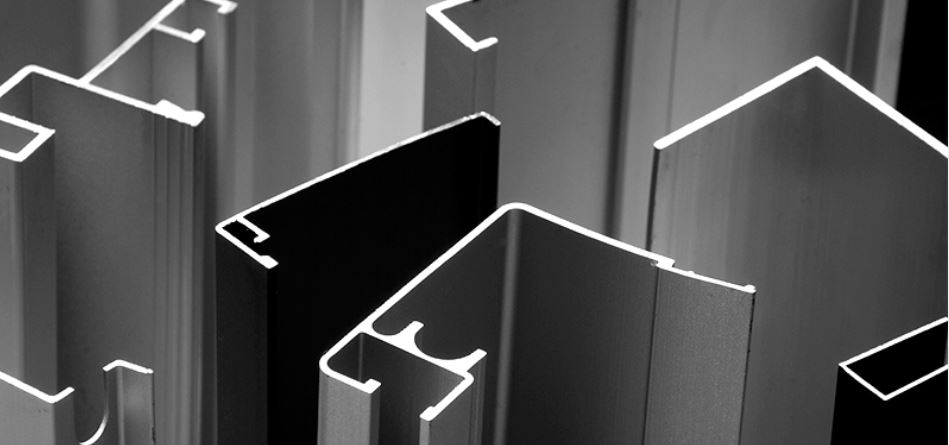
Before we begin to discuss the facts, let’s start with defining what extrusion actually is. To extrude something would mean you are forcing something through and out of something. The imagery I believe is a great comparison to this would be the way you extrude toothpaste from a toothpaste tube when brushing your teeth. With aluminium, it is the process in which aluminium alloy material is forced through a die with a specific profile that is cross-sectional. A powerful ram pushes the aluminium through the die, and it comes out of the opening of the die.
Origins
The extrusion process has been around since 1797 when a man named Joseph Bramah created the method. It was mainly done manually until the hydraulic press was invented in 1820. It was not until the year of 1894 that a man named Alexander Dick made the world’s very first hot extrusion process to be done without non-ferrous materials. Aluminium extraction was apparently in very high demand during both the world wars in the creation of aircraft and military machinery.
Shapes
So, what shapes can be produced during this process? Well, that is sorted into three categories:
Solid, which has no enclosed voids or openings
Hollow, with one or more voids
Semi-hollow, with a partially enclosed void
Solid shapes are mainly used for things such as beams, rods, and angles. Hollow shapes are mainly used for things such as square or rectangular tubes. Semi-hollow shapes are mainly used for something called a “C” channel with a narrow gap.
Industries
The process of aluminium extrusion is one utilised by a lot of different industries out there. Just to list a few of said industries:
Electronical
Aerospace
Architectural
Automotive
Energy
The process
The extrusion process is one that can be broken down into just ten steps:
The extrusion die is prepared and moved to the extrusion process
An aluminium billet is then preheated before the extrusion
The billet is transferred to the extrusion press
The ram pushes the billet material into the container
The extruded material emerges through the die
Extrusions are guided along with the runout table and quenched
Extrusions are sheared to table length
Extrusions are moved to the stretcher and stretched into alignment
Extrusions are moved to the finish saw and cut to length
After this process is complete, it can be heat treated to enhance its properties. If the heat treatment is utilised, they can have various finishes to the surface which enhance their aesthetic and boost the corrosion protection. Fabrication operations can also be applied to bring them into their final dimensions.
Temperatures
In the extrusion process, the temperatures can range from 375 to 500 degrees which remain below the point of boiling for aluminium allows which is set at around 660 degrees Celsius.
Aesthetics
Aluminium extrusions are not only being utilised in the actual making of products that are related to industries such as food preparation, transportation, and space exploration. This process is now being gaining utilisation in the creation of things such as jewellery and art.
Records set
For the modern consumer, extruded aluminium has a lot of great properties to be utilised such as its increased lifespan, cost-effectiveness, and eco-friendliness just to name three. Tesla Motors’ Model S had reached a record automotive safety rating. It achieved this due to the fact it preserved 64.5% of driver residual space because of nesting multiple deep aluminium extrusions in the side rail of the car to absorb impact energy. The company Koga created a bike with a record-breaking A-limited aluminium frame that weighs just over two pounds.